
The inheritance and development of PDCS technology: Aidit's PDCS training program
2024-04-30
The inheritance and development of PDCS technology
——Aidit's PDCS training program
Particle control is a crucial step in the automotive painting process. Particles not only affect the appearance of the coating but can also negatively impact coating performance, such as reducing corrosion resistance and gloss. Therefore, effective particle control is essential for improving product quality, meeting customer needs, and ensuring corporate competitiveness.
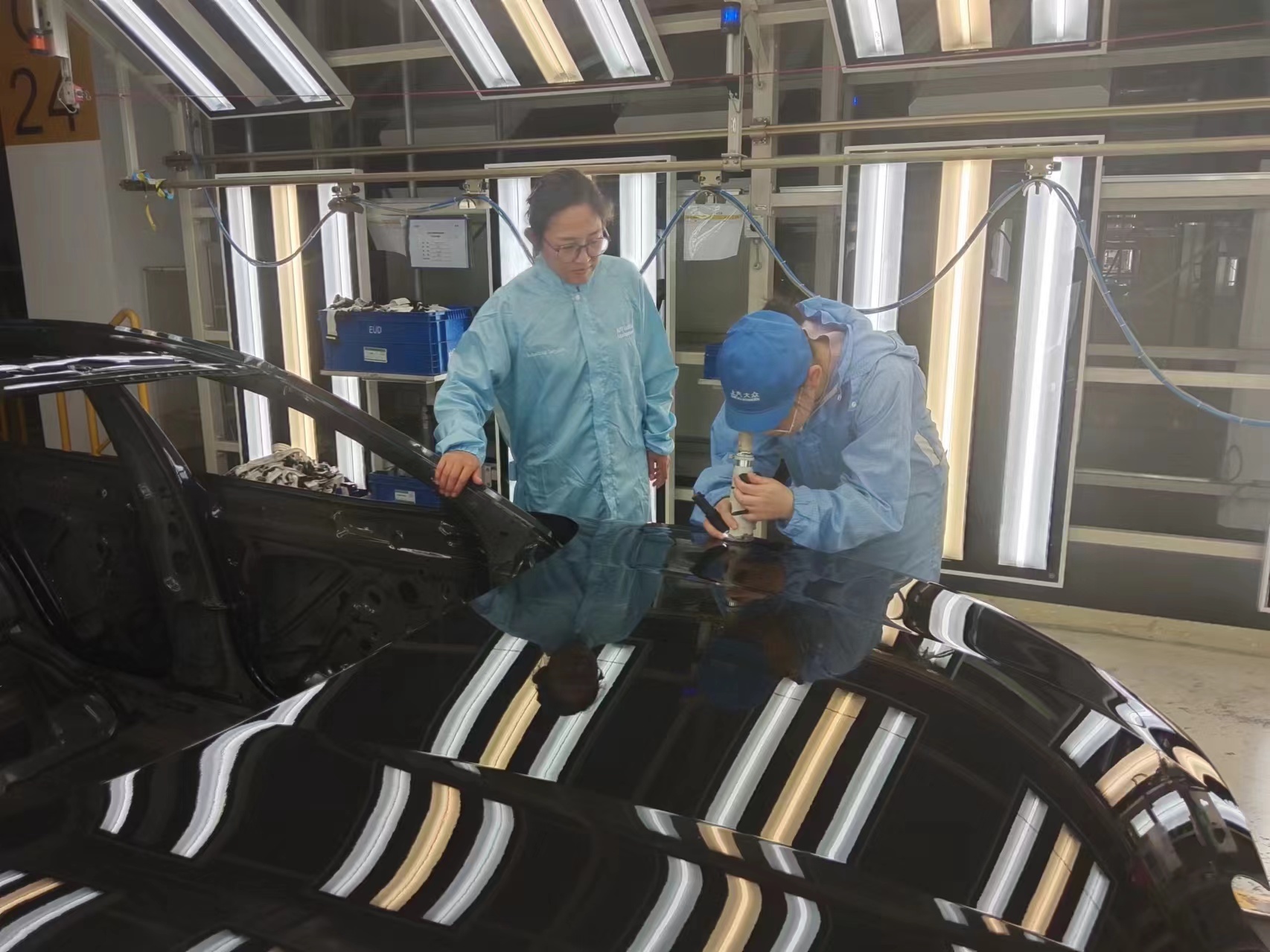
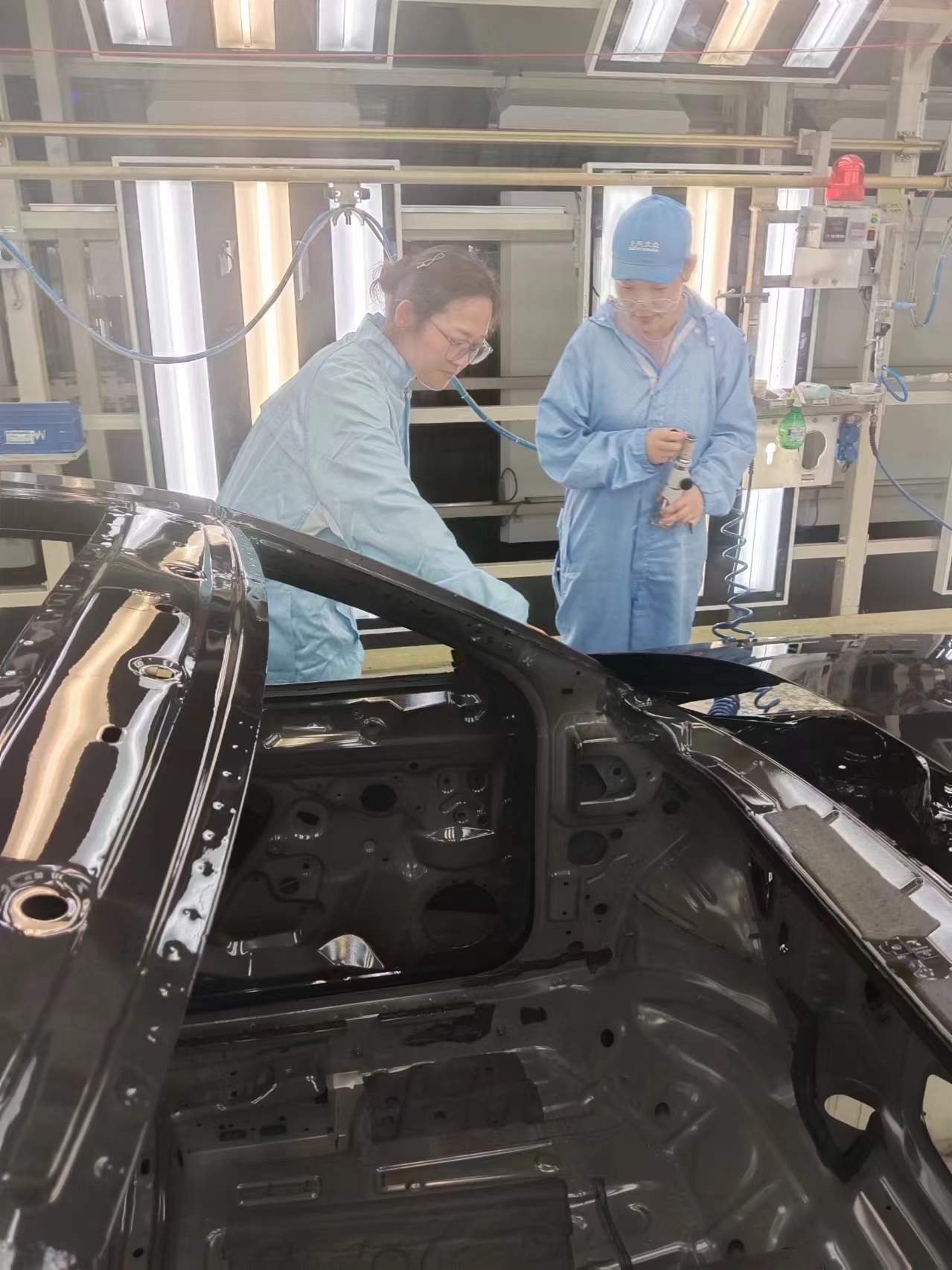
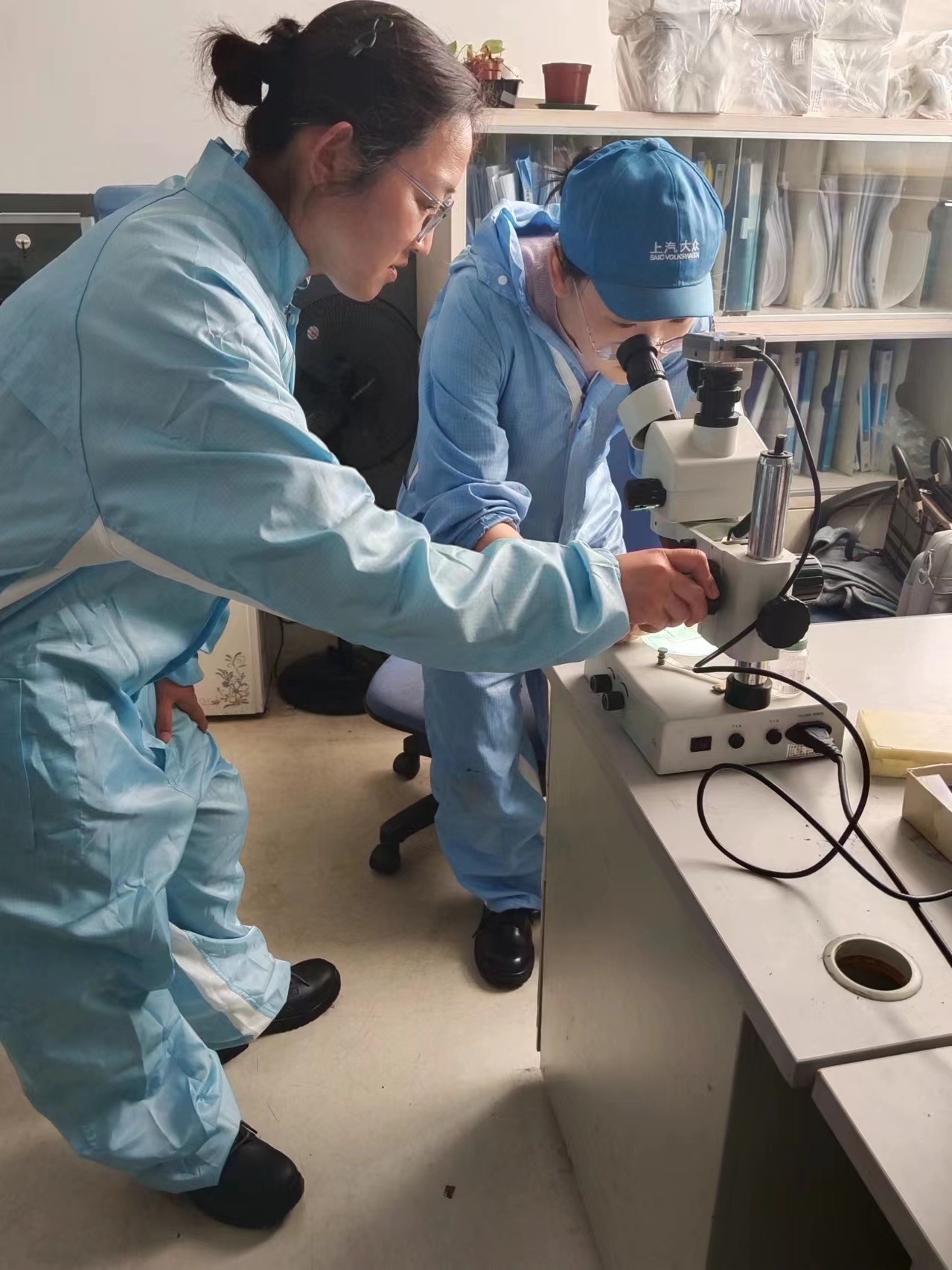
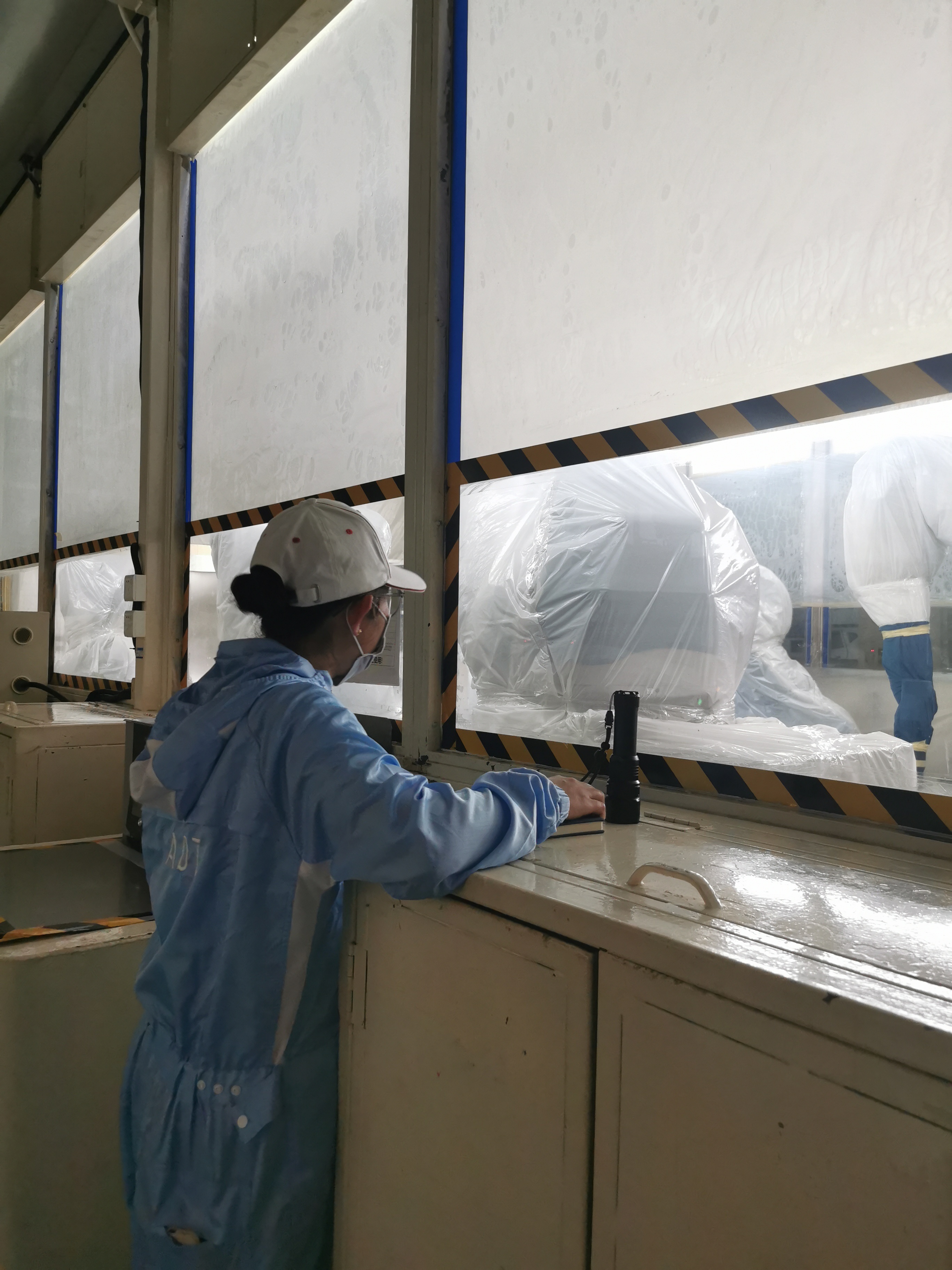
In April, when the earth was covered in lush green grass and blossoming flowers, and the air was filled with the fragrance of earth and flowers, the PDCS Technical Manager of the Technical Department conducted a series of PDCS training sessions for each paint shop and engaged with customers on defect control. He also visited various paint shops to learn about their process equipment, management methods, and defect control methods, providing strong support for technological advancement and innovation.
Main contents of the training:
Wuxi SAIC Maxus: Particle cleanliness control in the paint shop
Ningbo SAIC Volkswagen: PDCS professional skills training to enhance on-site personnel's problem-solving capabilities
Huadu Nissan: Learning Nissan's lean production processes
Yizheng Volkswagen: Providing control measures and improvement suggestions for defects such as fibers, paint residue, and drying room waste on-site. In our future work, we must continue to strengthen learning and exchange ideas, constantly improving our technical skills and professionalism. At the same time, we should actively introduce and apply new technologies, equipment, and methods to drive the company's continued development and progress. "Going abroad is the only way to learn in" is a very important concept. We will continue to broaden our horizons, actively learn and draw on advanced experience and technology, and inject new vitality and momentum into the company's development.
The inheritance and development of PDCS technology: Aidit's PDCS training program
2024-04-30
The inheritance and development of PDCS technology
——Aidit's PDCS training program
Particle control is a crucial step in the automotive painting process. Particles not only affect the appearance of the coating but can also negatively impact coating performance, such as reducing corrosion resistance and gloss. Therefore, effective particle control is essential for improving product quality, meeting customer needs, and ensuring corporate competitiveness.
In April, when the earth was covered in lush green grass and blossoming flowers, and the air was filled with the fragrance of earth and flowers, the PDCS Technical Manager of the Technical Department conducted a series of PDCS training sessions for each paint shop and engaged with customers on defect control. He also visited various paint shops to learn about their process equipment, management methods, and defect control methods, providing strong support for technological advancement and innovation.
Main contents of the training:
Wuxi SAIC Maxus: Particle cleanliness control in the paint shop
Ningbo SAIC Volkswagen: PDCS professional skills training to enhance on-site personnel's problem-solving capabilities
Huadu Nissan: Learning Nissan's lean production processes
Yizheng Volkswagen: Providing control measures and improvement suggestions for defects such as fibers, paint residue, and drying room waste on-site. In our future work, we must continue to strengthen learning and exchange ideas, constantly improving our technical skills and professionalism. At the same time, we should actively introduce and apply new technologies, equipment, and methods to drive the company's continued development and progress. "Going abroad is the only way to learn in" is a very important concept. We will continue to broaden our horizons, actively learn and draw on advanced experience and technology, and inject new vitality and momentum into the company's development.

Contact us
Email:
info@adtfm.com
Phone:
021-20532053
Address:
2nd Floor, No. 150 Jindian Road, Pudong New Area, Shanghai

Phone:021-50790270
Email:info@adtfm.com
Website:www.adtfm.com
Address: Room 403, Building B, No. 115 Guiqiao Road, Pudong New Area, Shanghai


Leave a message for inquiry